L-Citrulline Malate: Two Useful Compounds in One Ingredient
Citrulline solves the absorption problem that limits arginine. Malate feeds the cell's own energy cycle. Together they are among the better-researched compounds here — though the research is mostly about muscles rather than memory.
The Citrulline Half of MemoHoney's Citrulline Malate
L-citrulline is an amino acid named after Citrullus, the watermelon genus where it was first identified. Watermelon remains its best-known dietary source.
Its value here rests on a genuinely counterintuitive quirk of metabolism: if you want to raise blood arginine, taking citrulline works better than taking arginine.
The reason is the arginase problem described on the L-arginine page. Oral arginine is heavily degraded in the gut wall and liver before reaching circulation. Citrulline passes through untouched, absorbs efficiently, and converts to arginine in the kidneys — downstream of the enzymes that would have destroyed it. The result is a higher and more sustained rise in plasma arginine.
This is well established and it is the strongest technical argument in the formula.
The Malate Half and What It Contributes to MemoHoney
Malate, or malic acid, gives green apples their sharpness. More importantly it is an intermediate in the citric acid cycle, the pathway through which cells convert nutrients into usable energy.
The rationale for pairing it with citrulline is that supplying a cycle intermediate may support energy metabolism, and that malate is involved in handling metabolic by-products. That reasoning is the basis for the product's brain fog positioning.
What the MemoHoney Citrulline Malate Research Actually Covers
Citrulline malate is one of the more studied compounds in sports nutrition. Research has looked at muscular endurance, reduced perceived exertion, delayed fatigue, post-exercise soreness and blood flow, with reasonably encouraging results overall — though study sizes are modest and findings are not uniform.
The qualification that matters: almost all of it is exercise research. Extending conclusions about muscular fatigue to mental fatigue is a reasonable hypothesis, not a demonstrated result, and we would rather label it as such than let the distinction blur.
The second qualification is dose. Studies typically use somewhere around six to eight grams of citrulline malate per serving. A single capsule containing six ingredients cannot hold anything approaching that, and since MemoHoney does not publish amounts, there is no way to know how far short it falls.
Why L-Citrulline Malate Is in MemoHoney
It does two jobs at once: sustaining the nitric oxide pathway more effectively than arginine manages alone, and contributing a cellular energy intermediate. It sits alongside citrulline HCl, which supplies the same amino acid in a different bound form.
MemoHoney Citrulline Malate: Expectations and Cautions
Citrulline is generally well tolerated, with digestive upset at high doses the most common complaint. Because it raises arginine and supports nitric oxide production, the vasodilation cautions apply: speak to a doctor first if you take blood pressure medication, nitrates or any other vasodilator, or blood thinners.
Caution is also sensible with kidney disease, since citrulline converts to arginine in the kidneys, and before scheduled surgery. Not appropriate during pregnancy or breastfeeding.
Expect nutritional support rather than a noticeable effect. Unlike a stimulant, there is nothing here you should feel arriving.
Two More MemoHoney Ingredients
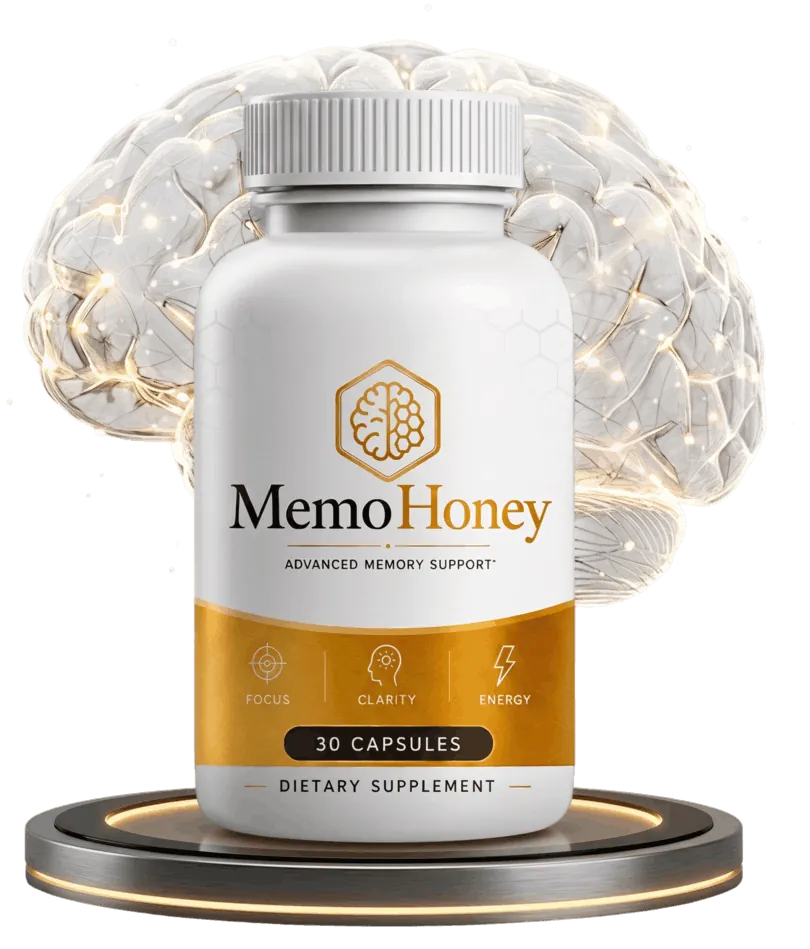
Begin a MemoHoney Routine
A daily cognitive wellness formula built around six ingredients, taken as one capsule each morning. Every package is backed by the 60-day money-back guarantee, and pricing and stock are confirmed on the official checkout.
From $49 per bottle on six · 60-day guarantee · Free US shipping on three and six